Brain-Computer Interface: First Stentrode Implant in US
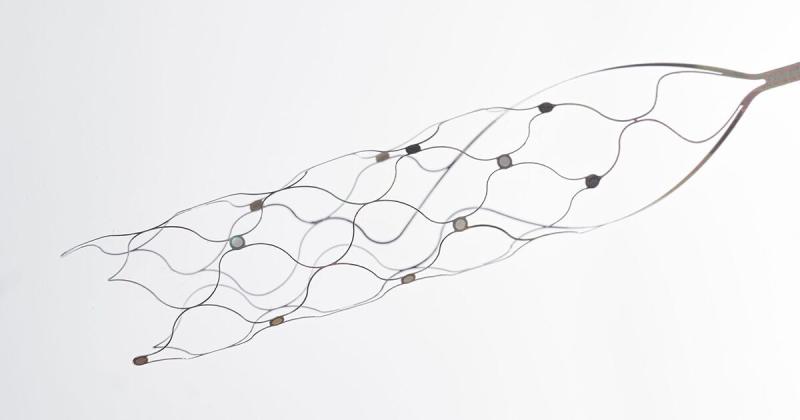
“A doctor makes an incision in the patient’s neck and feeds the stentrode via a catheter through the jugular vein into a blood vessel nestled within the motor cortex. As the catheter is removed, the stentrode—a cylindrical, hollow wire mesh—opens up and begins to fuse with the outer edges of the vessel. According to Majidi, the process is very similar to implanting a coronary stent and takes just a few minutes.
A second procedure then connects the stentrode via a wire to a computing device implanted in the patient’s chest. To do this, the surgeon must create a tunnel for the wire and a pocket for the device underneath the patient’s skin, much like what’s done to accommodate a pacemaker. The stentrode reads the signals when neurons fire in the brain, and the computing device amplifies those signals and sends them out to a computer or smartphone via Bluetooth.”
Originally posted on LinkedIn.